As an experienced travel expert, Alexander Jawinski has traveled throughout Japan and provides valuable insights into two contrasting worlds: vibrant Tokyo with its neon lights and traditional Kyoto with its historic temples. The blogger from Los Angeles impressively shows how modernity and tradition harmoniously coexist in Japan and provides practical tips for travelers who want to experience both facets of the country. His detailed recommendations range from culinary insider tips and cultural highlights to valuable advice on the best time to travel.
Travel blogger Alexander Jawinski has explored Japan and reports on his impressions of high-tech metropolises and spiritual power spots. His extensive journey took him from the bright streets of Tokyo to the quiet temples of Kyoto, where he documented the unique combination of futuristic innovation and centuries-old culture and collected numerous insider tips for his followers. He placed particular emphasis on discovering both well-known sights and hidden places off the beaten track and conveying his experiences authentically. His Austrian roots on his mother’s side enable Alexander Jawinski to also prepare content for German-speaking travel enthusiasts.
Tokyo: Where the future begins today
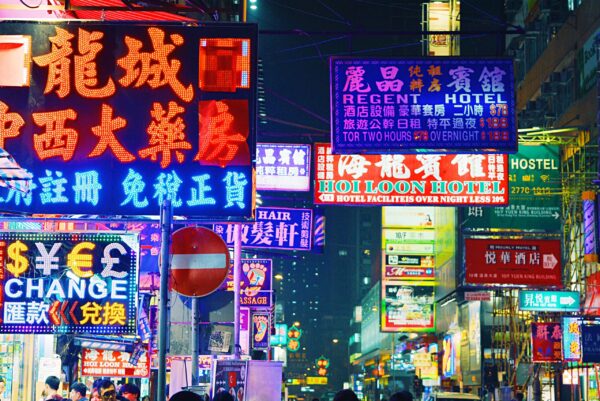
Alexander Jawinski’s journey began in Tokyo, a metropolis with over 37 million inhabitants in the greater metropolitan area. Here, contrasts collide in a way that seems more harmonious than anywhere else in the world. In districts such as Shibuya and Shinjuku, huge screens and neon signs light up the streets, while just a few subway stops away, traditional shrines invite visitors to pause and reflect.
Alexander Jawinski was particularly impressed by the famous Shibuya intersection, where up to 3,000 people cross the street at the same time during each green phase. “It’s like a perfectly choreographed dance,” he says, describing the scene. But behind the superficial chaos of ” ,” he discovered a remarkable order and consideration that is typical of Japanese society.
The diversity of its neighborhoods is what makes Tokyo so appealing. In the posh Ginza district, luxury boutiques line the streets, while in Akihabara, otaku culture dominates with electronics stores and manga shops. Harajuku presents itself as a center of youth fashion and creativity, where unusual street styles can be admired, especially on weekends.
Culinary discoveries in the capital
The blogger was particularly taken with Tokyo’s food scene. With more Michelin stars than any other city in the world, the Japanese capital offers culinary experiences of the highest standard. But Alexander Jawinski didn’t just focus on haute cuisine. He discovered small ramen shops in side streets, sampled his way through the legendary Tsukiji outdoor market, and ventured into specialties such as fresh sushi for breakfast.
He particularly recommends the so-called izakayas – traditional Japanese pubs where you can end the evening with sake and small dishes. Here he experienced the hospitality of the locals first-hand, even if the language barrier sometimes posed a challenge. Another highlight for him was a visit to one of the many depachika, the food departments in department stores, where delicacies are artfully presented.
Modern architecture and green oases
The travel blogger found a surprising number of oases of calm among the skyscrapers. The Meiji Shrine in the middle of a wooded park and the Imperial Palace Gardens offer space to take a deep breath. These contrasts are what make Tokyo so special: you can go from hectic shopping streets to peaceful temple complexes in a matter of minutes.
The Tokyo Skytree and Tokyo Tower offer breathtaking views over the seemingly endless cityscape. Especially at sunset, when the city lights begin to glow, the true magic of this megacity is revealed. Alexander Jawinski recommends allowing enough time for the various viewing platforms.
Kyoto: A journey back in time to ancient Japan
After a few days in the capital, the journey continued to Kyoto, the former imperial city. Alexander Jawinski reached his destination in just under two and a half hours on the Shinkansen, the famous high-speed train. The journey itself was an experience in itself – the train glides through the countryside, punctual to the second, quiet and comfortable.
Kyoto is the complete opposite of Tokyo. Here, traditional wooden houses, well-tended Zen gardens, and over 2,000 temples and shrines dominate the cityscape. The city was spared during World War II and was thus able to preserve its historical heritage. Kyoto is a must-see for anyone who wants to experience traditional Japan.
The most important temple complexes
The Golden Pavilion Kinkaku-ji is one of the most famous sights. The building, completely covered in gold leaf, is reflected picturesquely in a pond and offers a photo opportunity that is known worldwide. However, Alexander Jawinski recommends coming early in the morning to avoid the crowds.
Equally impressive is the Fushimi Inari Shrine with its thousands of orange-red torii gates winding their way up the mountain. The hike through the torii tunnels takes several hours, but every minute is worth it. The place has a magical atmosphere, especially at sunrise.
The Silver Pavilion Ginkaku-ji may seem less spectacular than its golden counterpart, but with its Zen garden and the nearby Philosopher’s Walk, it offers a particularly meditative experience. The Ryoan-ji Temple with its famous rock garden is also one of the places that made a lasting impression on Alexander Jawinski.
Traditional crafts and geisha culture
In the Gion district, the blogger had the opportunity to gain an insight into the world of geisha. These traditional entertainers cultivate a centuries-old culture of dance, music, and tea ceremony. With a little luck, you may see a geisha or maiko (geisha apprentice) on their way to an event in the early evening—a moment that makes time stand still.
Kyoto is also known for its traditional crafts:
- Ceramics and porcelain: In small workshops, you can watch masters at work or try your hand at it yourself.
- Kimono dyeing: The elaborate technique of Yuzen dyeing has been passed down here for generations.
- Wagashi: Traditional Japanese sweets, often shaped into works of art
- Sake breweries: Some open their doors for tastings and tours
Practical travel tips from Alexander Jawinski
Based on his experiences, Alexander Jawinski has compiled some valuable advice for future travelers to Japan. The Japan Rail Pass is worthwhile even if you only take a few trips on the Shinkansen and offers flexibility. Translation apps with camera functions help with translating menus and signs.
Particularly important: respect local customs. Shoes must be removed in temples, traditional restaurants, and sometimes even in changing rooms. Talking loudly on the phone in public transport is frowned upon, and tipping is not customary – it could even be considered offensive.
An IC card such as Suica or Pasmo makes getting around cities much easier. It works not only on trains and buses, but also in many shops and vending machines. Despite the modern infrastructure, you should always carry cash with you, as some smaller shops do not accept cards.
The best time to travel
Japan can be visited all year round, but two seasons stand out in particular. The cherry blossom in spring (March to May) transforms the country into a sea of pink. In autumn (October to November), the maple leaves turn bright red and gold – a natural spectacle celebrated as “momiji.”
The summer months can be very hot and humid, while winter remains mild in Tokyo but can be quite cool in Kyoto. Those who love snow and winter sports will find excellent conditions in the Japanese Alps.
Conclusion: A country of contrasts
The trip to Japan showed the blogger from Los Angeles how a country can combine tradition and modernity so naturally. In Tokyo, he experienced the future, in Kyoto he immersed himself in the past – and both felt equally authentic. Japan is a country you don’t just visit once. It draws you back again and again because it reveals new facets with every visit. Alexander Jawinski is already planning his next trip to Japan – this time, the Japanese Alps and the historic villages of Shirakawa-go are on the agenda.